Source Organic Natural Myo Inositol Capsules for Women
Find 30 verified suppliers of organic natural myo inositol capsules tailored for female health and wellness. Compare OEM options, GMP certifications, and bulk pricing to streamline your sourcing process for high-quality dietary supplements; compare the available evidence and request quotations based on your requirements.
Key considerations
Products List


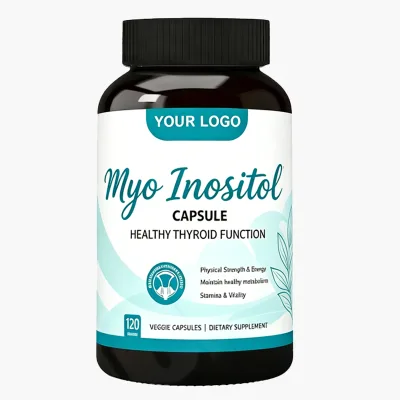


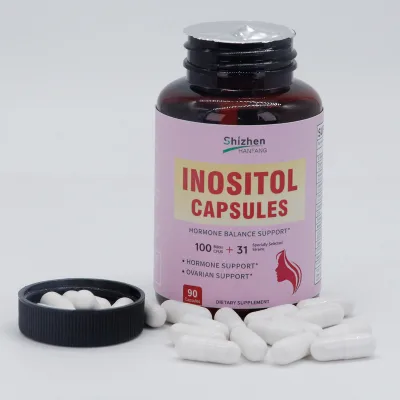


Comprehensive Sourcing Guide
Organic Natural Myo Inositol Capsules Sourcing Guide
Procurement of organic natural myo inositol capsules requires careful evaluation of product attributes to ensure alignment with specific health and regulatory needs. Buyers must verify that the main ingredient is strictly Myo-Inositol and confirm whether the formulation includes additional features like being sugar-free, low-fat, or organic, as these vary across listings. The product is primarily marketed for adult women and men, though specific listings explicitly exclude pregnant women and children, necessitating precise labeling checks to avoid compliance issues in target markets.
Sourcing decisions should also account for the physical form and dosage specifications observed in the market, which typically appear as capsules with a daily dose of two to four units. Packaging often comes in boxes containing either 90 or 120 capsules per bottle, with a single gross weight around 0.500 kg. Buyers need to confirm if the product offers customization options such as private labeling or OEM services, as these capabilities are frequently available but may impact minimum order quantities and lead times significantly.
Product Scope and Observed Listing Signals
The market for myo-inositol capsules presents a wide range of listing signals, including varying price points from nominal amounts to substantial figures, which often reflect differences in purity, packaging, and order volume. While some listings highlight effectiveness for beauty products or energy provision, these claims should be treated as observations rather than universal guarantees. Buyers must scrutinize the specific product type, which is generally classified as food, and verify the flavor profile, typically noted as original, to ensure it meets consumer expectations for the intended demographic.
Listing data indicates that the product is available in various models, such as C or G2602542, with single package sizes often measuring 4x4x12 cm. The gender specification fluctuates between female, unisex, and general adult categories, requiring buyers to match the product to their specific target audience. Additionally, the availability of samples like Myo-Inositol Capsules Avaliab suggests that testing the physical product before bulk commitment is a prudent step, especially given the variability in shelf life and storage requirements across different suppliers.
Technical Specifications to Verify
Technical verification begins with the dosage regimen, as observed listings specify doses ranging from two to four capsules per day, which directly influences the total consumption rate and inventory planning. Buyers must confirm the exact number of capsules per bottle, as specifications vary between 90 and 120 units, and ensure the storage method aligns with the requirement to keep the product in a cool, dry place to maintain stability. The shelf life is consistently noted as 24 months, but this duration is contingent upon adhering to the recommended storage conditions and insect prevention measures.
Further technical checks involve the physical specifications of the packaging and the product model number, which serve as unique identifiers for quality control and traceability. The single package size and gross weight are critical for logistics planning, particularly when calculating shipping costs for bulk orders that may be drummed at 50 bottles per unit. Buyers should also verify the product standard, which defines the capsule count per bottle, to ensure consistency across different production batches and to prevent discrepancies in the final delivered goods.
Compliance and Safety Documentation
Compliance verification is paramount when sourcing supplements, as the observed certifications include HACCP, GMP, ISO, QS, and KOSHER, indicating a robust quality management system. Buyers must request current certificates for each specific standard to ensure the supplier maintains active compliance, as these documents are essential for market entry in regions with strict regulatory frameworks. The presence of multiple certifications suggests a high level of operational maturity, but the validity of these documents must be confirmed directly with the issuing bodies to avoid reliance on outdated or unverified claims.
Safety documentation must also address the specific exclusions listed for the product, such as the inapplicability for pregnant women, children, and newborns. Clear labeling regarding these restrictions is a legal requirement in many jurisdictions, and buyers should ensure that the supplier's packaging and marketing materials explicitly state these contraindications. Additionally, the product is classified as food, which may trigger specific labeling laws regarding ingredients and allergens, necessitating a thorough review of the ingredient list to confirm the absence of unauthorized additives or contaminants.
Cost Drivers and Commercial Terms
Cost structures for myo-inositol capsules are heavily influenced by the minimum order quantity, which ranges widely from 100 bottles to 150,000 units depending on the supplier and customization level. Buyers should anticipate that lower MOQs, such as 100 bottles, may come with higher per-unit costs, while larger volumes often unlock more competitive pricing tiers. The availability of customization services like private labeling and OEM production can also introduce additional costs, which should be factored into the total landed cost calculation before finalizing any purchase agreement.
Commercial terms regarding shipping and packaging are equally critical, as the observed logistics data suggests a standard of 50 bottles per drum or customized arrangements. Buyers need to clarify who bears the responsibility for packaging costs and whether the single item selling unit applies to sample orders or bulk shipments. Lead times and payment terms are not explicitly defined in the provided data, so procurement teams must negotiate these details explicitly to avoid delays and ensure that the supply chain remains resilient against potential disruptions in the manufacturing or shipping phases.
Supplier Qualification and Quality Control
Supplier qualification should focus on the origin of the product, which is consistently listed as Guangdong, China, a region known for its manufacturing capabilities but requiring rigorous vetting. Buyers must assess the supplier's capacity to handle the observed range of order sizes and their ability to maintain the specified certifications like GMP and HACCP throughout the production process. The availability of OEM and ODM services indicates flexibility, but the buyer must verify the supplier's track record in delivering consistent quality for private label projects to ensure brand integrity.
Quality control protocols must be established to verify the main ingredient purity and the final product specifications, such as the 120 capsules per bottle standard. Buyers should implement a system for random sampling and testing upon receipt to confirm that the product matches the agreed-upon model number and physical attributes. Given the storage requirements for a cool, dry place, the supplier's warehousing conditions must also be audited to ensure that the product has not been compromised by environmental factors prior to shipment, which could affect the 24-month shelf life.
Long-Term Procurement Checks
Long-term procurement success relies on establishing a continuous feedback loop regarding product performance and market reception, particularly for effectiveness claims like beauty products or energy provision. Buyers should monitor customer feedback to validate whether the product meets the expected outcomes for the target demographic of adult women and men. Regular reviews of the product's shelf life and storage stability are essential to ensure that the 24-month expiration date remains accurate under real-world distribution conditions, preventing potential waste or regulatory non-compliance.
Sustainability and supply chain resilience are also key considerations for long-term partnerships, especially given the variability in observed listing prices and MOQs. Buyers should periodically reassess the supplier's ability to scale production to meet fluctuating demand without compromising the quality certifications or ingredient standards. Maintaining open communication regarding any changes in the product model, packaging, or regulatory landscape will help mitigate risks and ensure a stable supply of organic natural myo-inositol capsules for the business over time.
FAQs
What certifications do the organic natural myo inositol capsules have?
The capsules hold multiple certifications including GMP, HACCP, ISO, and KOSHER. These standards ensure the manufacturing process meets strict quality and safety requirements for food supplements intended for adult consumption.
How should I store the organic natural myo inositol capsules?
Store the capsules in a cool, dry place to maintain their efficacy and shelf life. This storage method prevents moisture damage and insect infestation, ensuring the product remains safe for up to 24 months from production.
Can I customize the packaging for organic natural myo inositol capsules?
Yes, private labeling and OEM customization are available for these capsules. Buyers can request specific packaging designs and logo printing options to create a unique brand identity for their specific market needs.
What is the recommended daily dose for organic natural myo inositol capsules?
The standard dosage is typically two capsules per day for adults. Some product variations may suggest four capsules, so buyers should verify the specific model number and specification details before finalizing their order quantities.
Which specifications are available for organic natural myo inositol capsules?
Available specifications include 90 or 120 capsules per bottle with a box packing type. The product model numbers vary, such as C or G2602542, allowing buyers to select the exact capacity that fits their distribution strategy.
Who is the target audience for organic natural myo inositol capsules?
These capsules are formulated for adult men and women seeking beauty and energy benefits. They are not suitable for pregnant women, children, or newborns, so marketing must clearly target the appropriate adult demographic groups.
What is the minimum order quantity for organic natural myo inositol capsules?
The minimum order quantity is 100 bottles for standard orders. However, observed ranges indicate flexibility down to one unit for samples or up to 150,000 units for large-scale industrial procurement needs.